Blog2 min read
What salt air does to a roof in ten years
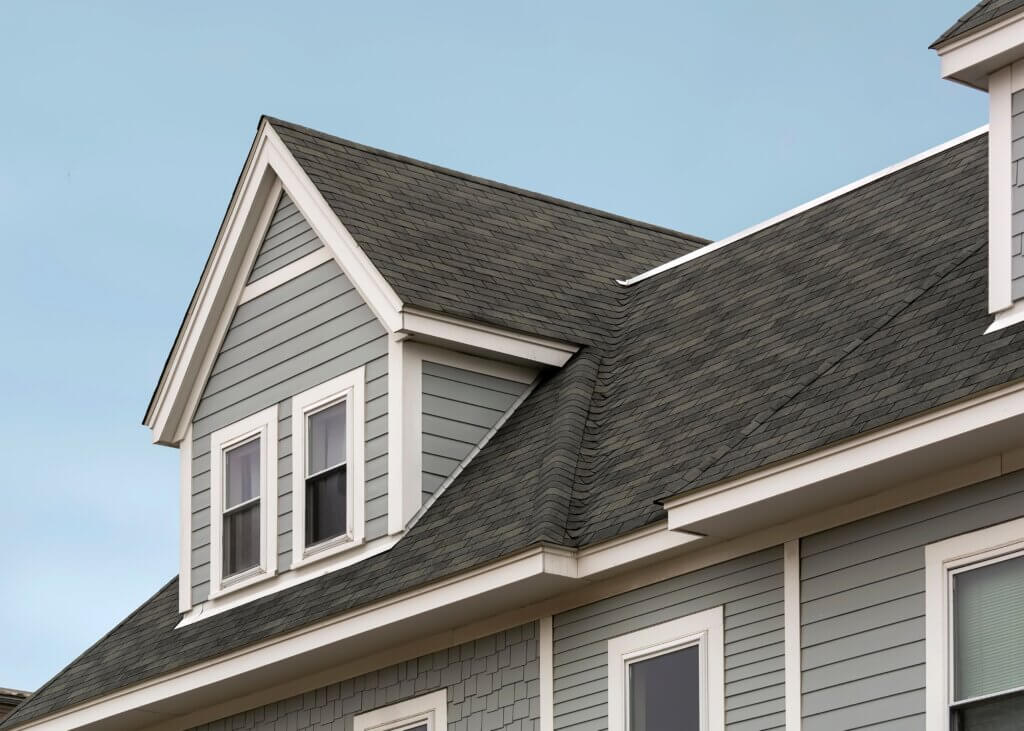
Roofs within a mile of the water do not fail the way roofs inland fail. The shingles usually look serviceable from the street long after the parts holding them down have stopped doing their job, which is why roof age on its own is a poor predictor near the coast.
Fasteners go first
Salt accelerates corrosion at every exposed metal point on the roof: nail heads, staples in older installations, and the fasteners holding vents and boots. A nail head that has rusted through no longer clamps the shingle; the shingle then lifts in wind that would not have moved it when the house was new.
You will not see this from the driveway. We see it at the eaves and around penetrations, where the corrosion shows as rust staining below a vent or a shingle tab that has cupped away from the course beneath it.
Then flashing
Flashing is the metal that closes the roof where it meets something else — a wall, a chimney, a valley. It is the second thing to go and the first thing to leak, because a failed fastener costs a shingle and failed flashing costs the sheathing under it.
- Step flashing where a roof plane meets a wall, particularly behind gutters.
- Pipe boots — the rubber collar cracks around year eight in this sun.
- Valleys, where two planes drain into one line and everything collects.
What to ask for
On a coastal house at the ten-year mark, ask when the boots and flashing were last replaced rather than when the roof was installed. Those are inexpensive repairs made expensive by waiting, and the answer tells you more about the next five years than the roof’s age does.