Blog4 min read
The five findings buyers panic about — and what they actually cost
A cracked slab reads worse than a failing water heater, but only one of them is a five-figure problem. Buyers usually react to how a finding sounds rather than what it costs to correct, and that is where good deals fall apart. Below are the five findings that generate the most alarmed phone calls, and what each one typically means once you price it.
1. Foundation cracks
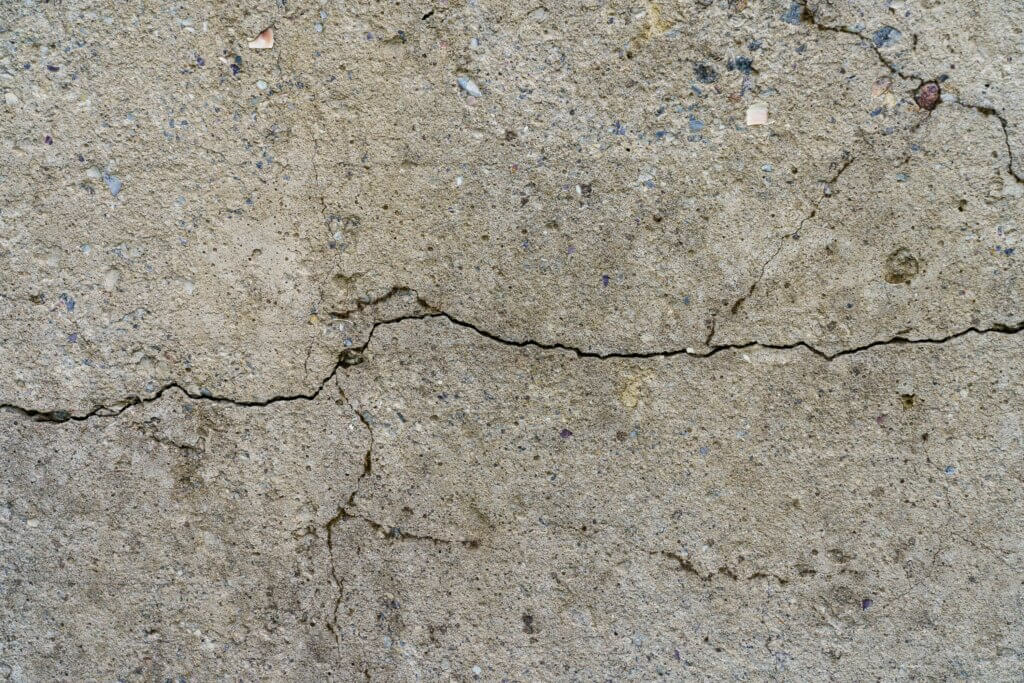
Most of the cracks we photograph are shrinkage. Concrete gives up water as it cures and splits along the path of least resistance, usually within the first year, and then stops. Those cracks are hairline, roughly vertical, and the two sides sit flush with each other.
The ones worth pricing are wider than a pencil, offset so one side sits proud of the other, or paired with doors that stick upstairs and windows that will not latch. That combination is movement, not curing, and it deserves a structural engineer before anyone talks about money. An engineer’s letter costs a few hundred dollars and is the only document in this process that will actually settle the argument.
Ask what it costs before you ask whether it’s serious. The number usually settles the argument.
2. An aging water heater
A unit past twelve years is a replacement you can plan for, not an emergency. It is one of the few findings with a price everyone agrees on, which makes it a poor thing to panic about and a reasonable thing to raise at the table.
What turns it into a real problem is the installation around it. A heater in an attic or over finished space with no pan and no drain line is a flood waiting for a schedule.
- Check the manufacture date on the data plate, not the install date.
- Look for rust at the fittings and a dry pan underneath.
- Confirm the drain line actually terminates outside.
3. The electrical panel
Two things get confused here. A panel that is simply full is an inconvenience; a panel of a brand with a documented failure history, or one with double-tapped breakers and mixed wiring, is a safety finding. The first is a subpanel on a Saturday. The second is a licensed electrician and a permit.
Either way, this is not a finding to negotiate down to a credit and then forget about. If we flag the panel, get the quote.
4. Roof age
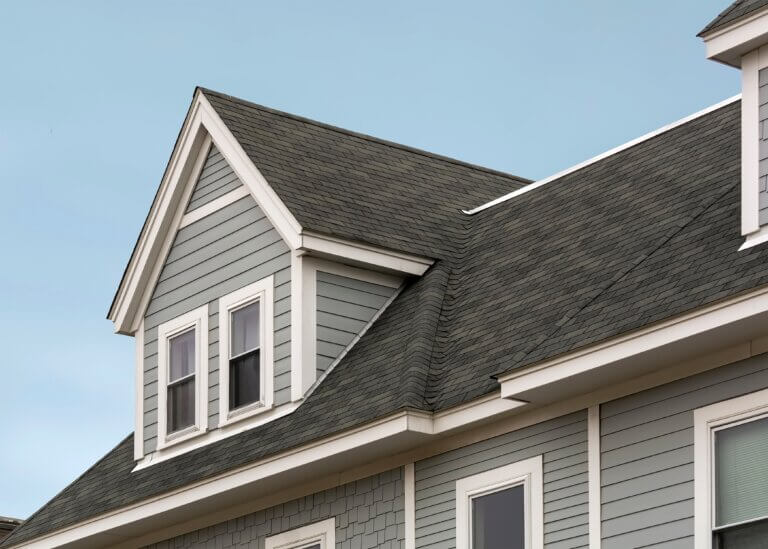
An architectural shingle roof on the Gulf Coast has a shorter life than its warranty suggests. Sellers hear “the roof has five years left” as an insult and buyers hear it as a bill. It is neither: it is a number to put in your first two years of ownership, and increasingly it is a number your insurer will ask about before they quote you.
What matters more than age is what the fasteners and flashing look like, which is a longer conversation than this post has room for.
5. Standing water in the crawlspace
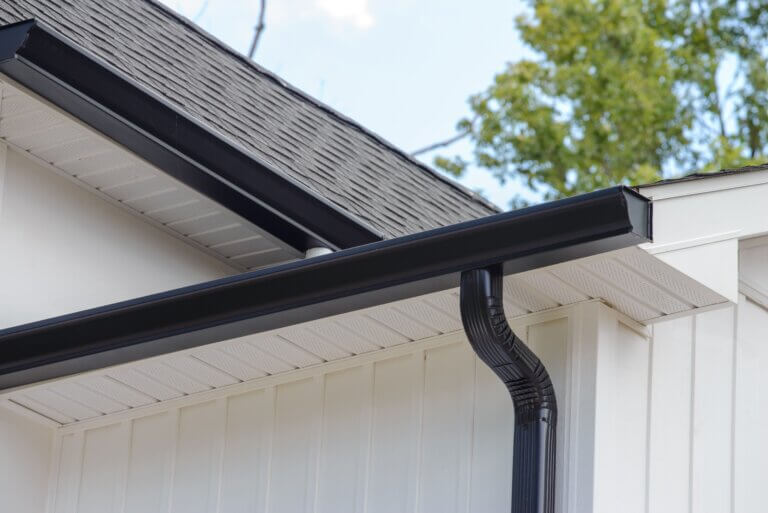
This is the finding buyers under-react to, which is the opposite of the rest of the list. Water under a house is not a crawlspace problem; it is a grading problem, a downspout problem, or a plumbing leak hiding behind both. The correction is usually cheap and the consequence of skipping it is not.
What to do with the report
Sort the findings into three piles: safety, five-figure, and everything else. The first two are worth a conversation with the seller. The third is what owning a house is. Call us before you write the repair request and we will tell you which pile each finding belongs in — that call is free and it is always shorter than the argument it prevents.